
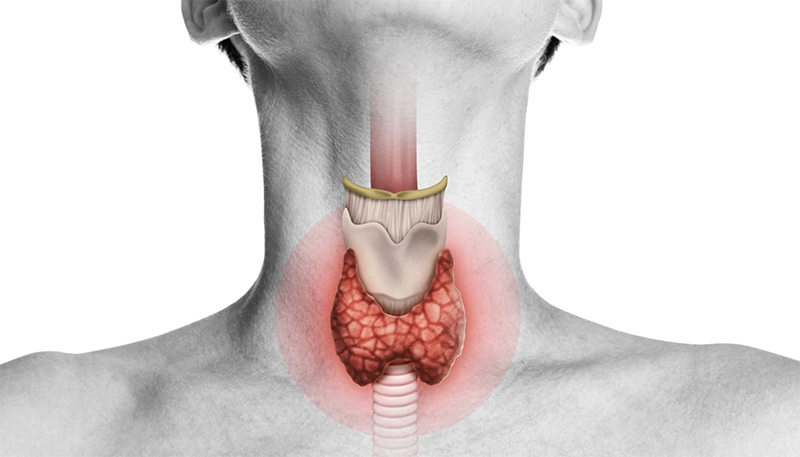
Description:
Thyroid surgery (Thyroidectomy) is a surgical procedure performed to remove part or all of the thyroid gland, which is a butterfly-shaped endocrine gland located in the anterior neck. It is one of the most common endocrine surgeries worldwide. Indications for thyroidectomy include thyroid nodules suspicious for malignancy, confirmed thyroid cancer, large goiters causing compressive symptoms (dysphagia, dyspnea, hoarseness), hyperthyroidism refractory to medical therapy, and cosmetic concerns. Patients typically present with a palpable neck mass, difficulty swallowing, voice changes, or in some cases, asymptomatic nodules discovered incidentally on imaging.
Treatment Options:
The main treatment modalities for thyroid disorders include:
Medical Treatment (antithyroid drugs, levothyroxine suppression therapy, radioactive iodine)
Observation / Active Surveillance (for benign, asymptomatic nodules)
Thyroid Lobectomy (removal of one lobe – indicated for unilateral benign nodules or low-risk malignancies)
Total Thyroidectomy (complete removal of the gland – indicated for bilateral disease, high-risk malignancies, or large goiters)
Near-Total Thyroidectomy (subtotal removal, leaving a small remnant to preserve function)
Lymph Node Dissection (central or lateral neck dissection in cases of metastatic lymphadenopathy)
Procedures:
Thyroidectomy is performed under general anesthesia and typically takes 60 to 120 minutes, depending on the complexity of the case, gland size, presence of substernal extension, and need for lymph node dissection. The procedure is performed through a small transverse incision in the lower neck (approximately 3–5 cm), placed along natural skin creases (Kocher incision) for optimal cosmetic outcomes. In select cases, endoscopic or robotic‑assisted thyroidectomy may be offered via axillary, breast, or transoral approaches, leaving no visible neck scar. Meticulous dissection is carried out to identify and preserve the recurrent laryngeal nerves (to prevent vocal cord paralysis) and the parathyroid glands (to prevent hypocalcemia). Intraoperative neuromonitoring may be used to safeguard nerve function.
This package includes:
Preoperative consultation with endocrine surgeon, endocrinologist, and anesthesiologist
Complete laboratory workup (thyroid function tests – TSH, FT3, FT4; anti-thyroid antibodies; serum calcium; calcitonin if indicated)
Thyroid ultrasound with Doppler and elastography
Fine‑needle aspiration (FNA) biopsy (if not previously performed)
CT scan or MRI (in cases of large goiters or substernal extension)
Laryngoscopy (vocal cord assessment pre‑ and post‑operatively)
Thyroidectomy (lobectomy or total thyroidectomy) under general anesthesia
Intraoperative frozen section (if needed)
Two days hospital admission (standard post‑thyroidectomy observation)
Postoperative pain management, wound care, and calcium monitoring
Discharge medications (calcium/vitamin D supplements if needed) and follow‑up plan
Histopathology report with molecular testing (if indicated)
This package excludes:
Radioactive iodine therapy (for remnant ablation or metastatic disease)
External beam radiotherapy (for advanced/anaplastic thyroid cancer)
Targeted therapy / chemotherapy (for advanced malignancies)
Reoperation for recurrence or complications
Consultation with other specialists (e.g., oncologist, radiologist) if additional treatment is required
Extended hospital stay beyond two days due to complications (e.g., hypocalcemia, hematoma, recurrent laryngeal nerve injury)
Cosmetic scar revision procedures
Prosthetic materials (if needed for reconstruction in extensive resections)
Instructions (Preparation):
Do not eat or drink anything (except essential medications with a small sip of water) for at least 6–8 hours prior to surgery (general anesthesia protocol).
Bring all your previous medical records, imaging reports, FNA biopsy results, and laboratory findings.
Inform your surgeon about any history of bleeding disorders, allergies, current medications (especially anticoagulants, antiplatelets, or thyroid medications), and any previous neck surgeries or radiation therapy.
If you are on antithyroid medications or beta‑blockers for hyperthyroidism, continue as directed by your endocrinologist.
Voice assessment (laryngoscopy) is mandatory before surgery to document baseline vocal cord function.
Stop smoking at least 2 weeks before surgery to reduce anesthetic and wound healing risks.
Terms and Conditions:
All thyroid surgeries are performed using the latest surgical techniques, including high‑definition magnification (loupes or microscope), intraoperative neuromonitoring, and advanced hemostatic devices (harmonic scalpel, LigaSure) to ensure maximum safety, precision, and minimal blood loss. Nerve integrity and parathyroid preservation are prioritized to minimize complications.
Patient Eligibility:
All procedures are conducted with state‑of‑the‑art equipment and advanced surgical methods.
Patients with a history of previous neck surgery, radiation exposure to the neck, large substernal goiters, recurrent laryngeal nerve palsy (contralateral), advanced malignancy with invasion of adjacent structures (trachea, esophagus, great vessels), severe comorbid conditions (cardiac, pulmonary, renal disease), or age over 75 years are considered high‑risk and require thorough preoperative multidisciplinary assessment.
Contact:
Jam Hospital is available 24/7 for consultations, admissions, and emergency support.
Goals:
To provide the most effective, safe, and individualized surgical treatment with the best cosmetic outcomes, while preserving thyroid function when possible, protecting vital structures (recurrent laryngeal nerves and parathyroid glands), and ensuring optimal oncological clearance when malignancy is present.