
Description:
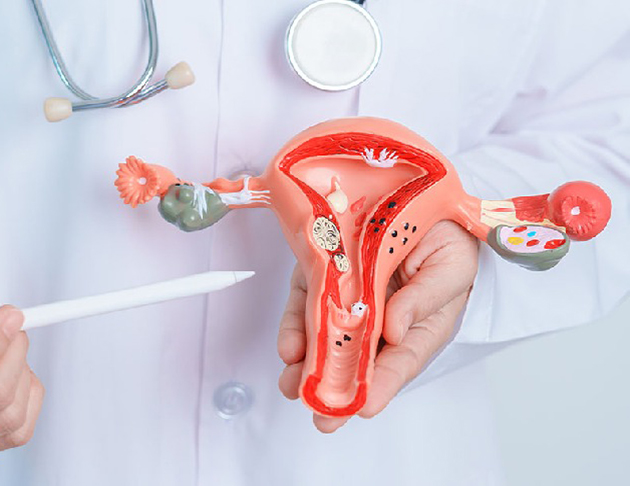
Endometriosis is a chronic inflammatory disorder defined by the presence of endometrial-like tissue outside the uterine cavity, most commonly involving the ovaries, pelvic peritoneum, and uterosacral ligaments. It is one of the leading causes of chronic pelvic pain and infertility among women of reproductive age worldwide. Patients typically present with progressive dysmenorrhea, deep dyspareunia, chronic pelvic pain, heavy menstrual bleeding, and in some cases, gastrointestinal or urinary symptoms during menses.
Treatment Options:
First-line management is medical therapy. The gold standard for definitive diagnosis is laparoscopy with histological confirmation. Treatment options include:
Medical Treatment (NSAIDs, hormonal contraceptives, GnRH agonists, progestins)
Laparoscopic Excision / Ablation (fertility-preserving surgery)
Hysterectomy (definitive surgery, usually in severe/refractory cases or when childbearing is complete)
Assisted Reproductive Technology (ART) (in cases of infertility)
Procedures:
Diagnostic and operative laparoscopy are performed under general anesthesia. The procedure typically takes 30 to 90 minutes, depending on the extent and location of endometriotic lesions. Access is achieved through small umbilical and lower abdominal incisions (usually 0.5–1 cm). Carbon dioxide gas is insufflated to create a working space, and the pelvic cavity is systematically inspected. Endometriotic implants may be excised or vaporized using electrocautery or laser. In severe cases, ovarian cystectomy (for endometriomas) or adhesiolysis may also be performed.
This package includes:
- Preoperative consultation with gynecologist and anesthesiologist
- Complete laboratory workup (CBC, coagulation profile, liver/kidney function, tumor markers if indicated)
- Pelvic ultrasound (transvaginal / transabdominal)
- Chest X-Ray (if indicated)
- Diagnostic or operative laparoscopy under general anesthesia
- Intraoperative histopathology (frozen section if needed)
- One day hospital admission (overnight stay)
- Postoperative pain management and nursing care
- Discharge medications and follow-up plan
- This package excludes:
- Additional hormonal therapy beyond discharge (e.g., GnRH agonists for 3–6 months)
- Fertility treatments (ART / IVF)
- Reoperation for recurrence
- Consultation with other specialists (e.g., gastroenterologist, urologist) if multi-organ involvement is suspected
- Extended hospital stay beyond one day due to complications
Instructions (Preparation):
Do not eat or drink anything (except essential medications with a small sip of water) for at least 6–8 hours prior to surgery (general anesthesia protocol).
Bring all your previous medical records, imaging reports, and surgical history.
Inform your surgeon about any history of bleeding disorders, allergies, or current medications (especially anticoagulants).
Bowel preparation may be recommended in cases of deep infiltrating endometriosis involving the bowel.
Terms and Conditions:
All laparoscopic procedures are performed using the latest minimally invasive techniques and high-definition imaging systems, ensuring maximum safety and precision.
Patient Eligibility:
All procedures are conducted with state‑of‑the‑art equipment and advanced surgical methods.
Patients with a history of severe adhesions, previous abdominal surgery, deep infiltrating endometriosis, extensive bowel/bladder involvement, or age over 65 years with comorbidities are considered high‑risk and require thorough preoperative assessment.
Contact:
Jam Hospital is available 24/7 for consultations, admissions, and emergency support.
Goals:
To provide the most effective, individualized, and least invasive treatment option to relieve symptoms, preserve fertility when desired, and improve overall quality of life.